


ROTTERDAM — Is it possible that the answer to the limitations of lithium-ion batteries lies in something as common as rust?
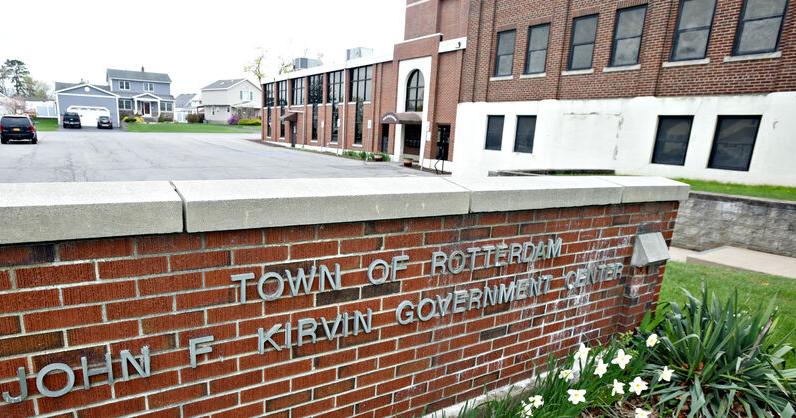
A proposed initiative at the GE Vernova campus might hold the key. In a surprising turn of events, the Rotterdam Town Board, which recently passed a stringent code on battery energy storage systems (BESS), has now greenlit a public hearing to discuss the possibility of exempting GE Vernova from this code.
On a recent Wednesday evening, representatives from Form Energy, Jason Houck and Dave Gardner-Dale, unveiled their plan for an iron-air battery storage system at the GE campus, which straddles the Schenectady and Rotterdam lines. This is a departure from the prevalent use of lithium-ion batteries in most current battery storage systems.
Form Energy, a pioneer in energy innovation and manufacturing, successfully installed its first large-scale battery system in West Virginia in 2024. The company has ambitious plans to construct similar large-scale systems in Minnesota and California. The proposed GE Vernova system, boasting a capacity of 10 megawatts, has already secured $12 million in grant funding from NYSERDA, according to Gardner-Dale.
An iron-air battery operates by reversing the rusting process. As per the information available on the Form Energy website, the battery absorbs oxygen and transforms iron into rust. It is then charged with an electrical current, which reconverts the rust back into iron, and the battery subsequently releases oxygen.
Gardner-Dale highlighted that iron-air batteries do not pose the risk of thermal runaway, a common concern with lithium-ion batteries. Furthermore, iron-air batteries utilize water-based electrolytes, unlike lithium-ion batteries which typically use ether, a flammable synthetic compound.
According to Gardner-Dale, these batteries are not only affordable, durable, and scalable, but they also match the advantages of lithium-ion batteries for energy storage. The company’s website reveals that they cost just 10% of lithium-ion batteries, do not contain heavy metals, and are recyclable. Gardner-Dale also emphasized the importance of BESS systems for the future of the energy grid, citing cost-effectiveness, increased usage, and the need for resilience.
These batteries have the capacity to discharge energy for approximately 100 hours at a stretch, as opposed to just a few hours, explained Houck. While they are still in the early stages of proposing a project at GE, he mentioned that the current Rotterdam Code is overly restrictive.
The board unanimously agreed to schedule the public hearing for May 27. However, board member Terri Gallucci clarified that setting the hearing or amending the law does not equate to project approval.
“This is fantastic news on multiple levels,” Town Supervisor John Polimeni expressed on Thursday morning. “It’s a win for the residents of Rotterdam and a win for GE Vernova.”
The project is expected to occupy about 10 acres on the GE Vernova campus and will connect to an existing substation, as per Gardner-Dale. The batteries will consume water equivalent to the usage of about 16 households.
If the project proceeds as planned, it will mark the debut of the first iron-air BESS system in New York State. Houck mentioned that they are considering several sites in the state, but the Schenectady/Rotterdam site is their top choice due to its historical significance in energy innovation.
Polimeni acknowledged the swift action taken to streamline things once they learned about the project. He believes that this emerging technology will soon be seen nationwide.
He also echoed Metroplex Chair Ray Gillen’s sentiments about the responsibility of the equipment. In the unlikely event of an incident, GE Vernova has its own fire department and is supported by the Schenectady Fire Department and their water supply. However, since the project is still located on Rotterdam land, Polimeni assured that the town will reap the benefits.
It’s worth noting that GE Vernova is an investor in Form Energy.



Disagree – Thermal runaway danger still a concern with new technology.
52zik4