


Have you noticed, in recent decades, how something essential has been slowly drained from our Sunday afternoons? Sunday used to be the fabric of our familial culture: a day of rest, reflection, and togetherness. A day sacred for its simplicity and deep-rooted traditions, a day that anchored us amidst the tumultuous wash of the week. As a lifelong resident of Schenectady, I see Sundays now dissolve into a leisurely grind of the same old activities, bereft of the devotion that once set them apart.
The decline of the Sunday roast tradition is merely one facet of such a wider cultural shift. Just as I blame this, in part, to our pervasive shifting values, so too do I believe we might reclaim something vital in consciously reviving our Sunday rituals.
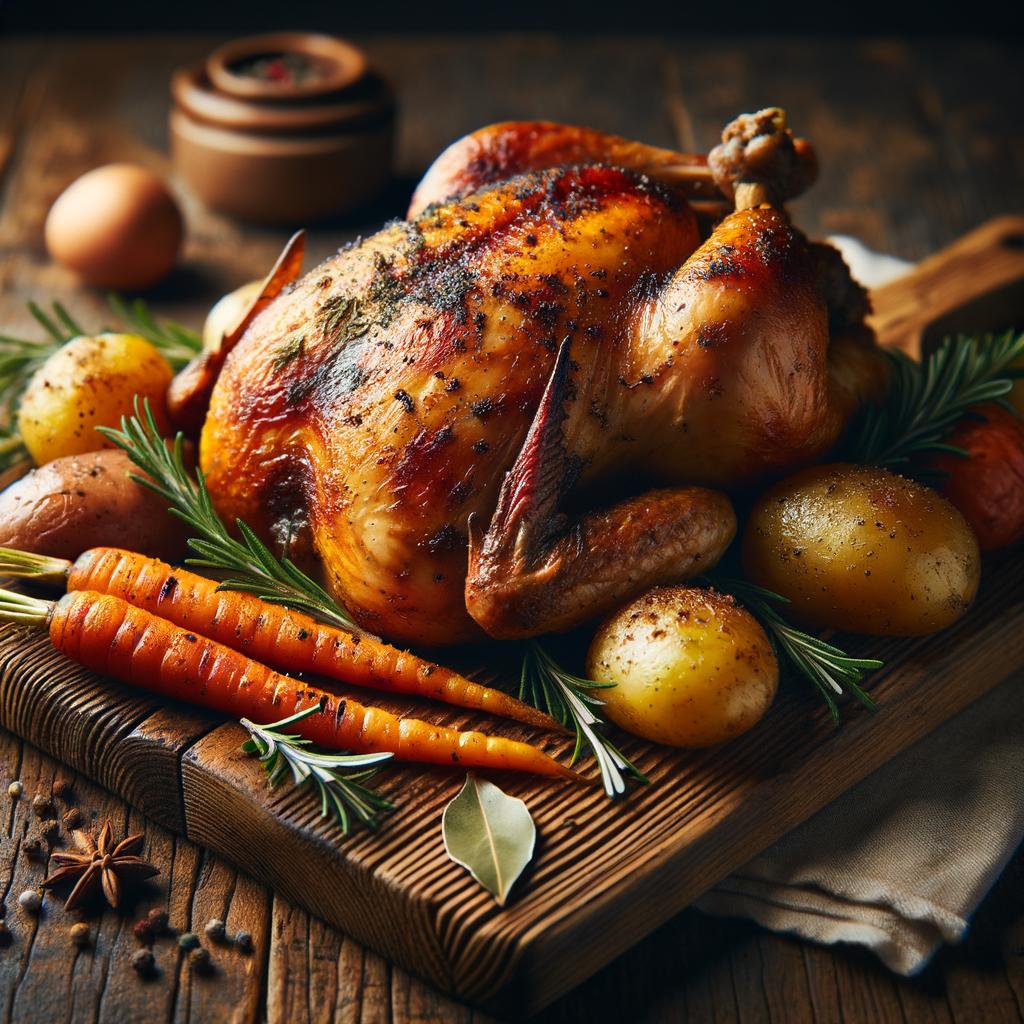
For those of you who are younger, the Sunday roast may be a vague memory at best or, worse still, a complete unknown. It wasn’t just about the food – the tender roast beef, the golden crispy potatoes, and the savory gravy that was laboriously stirred on low heat for hours. It was about the time, the effort, the conviviality. It was the table heaving under shared anticipation, the family reconnecting at the end of a busy week, nuances of love served up on a platter.
Yes, dear friends, I’m part of that fading generation who built this city die by pig iron, and as I gaze out my window onto our manicured yards, I’m reminded of a time where on Sunday, smoke gently wafted across our houses from kitchens where the smell of roasts permeated the air.
My father, a stout pipe-smoking character with a penchant for storytelling, would heft out our traditional family recipe book— a broad leather-bound tome that contained secrets dating back to the 1800s. He’d spend Sunday hours laboring over culinary enchantments, orchestrating the transformation of raw ingredients into an edible symphony which resonated through our humble Schenectady home for the grand feast.
Yes, it was more than just the proverbial meat and potatoes. It was a deliciously symphonic testament to our shared heritage.
Was it not a Sunday in the late ’80s, when my youngest brother, Patrick, squinted behind jam-smeared glasses at the hulking roast? He’d snuck a bite, only to be promptly deposited on the floor, the victim of quite literal hot potato. That, of course, sprouted the infamous ‘Hot Potato’ rule in our family, forever uniting us in the shared knowledge that you don’t sneak slices before grace. That’s what Sunday roasts represented – the odd rules, hearty laughter, and an opportunity to build memories dished out alongside that sumptuous beef roast.
Nowadays, Sunday dinners consist of paler versions– hasty take-outs or, at their most elaborate, some form of protein seared, flipped, and forgotten on the grill. The ritualistic preparation missing in action, as is the connection to shared history that this custom did once foster.
Now, I’m not one to harken incessantly back to ‘the good old days,’ but there are some things that simple quick fixes can’t replace. And some evenings, as the sun sets, casting long, nostalgic shadows, I yearn for the sounds, smells, and warmth of the Sunday roasts of yore.
Our fast-paced, tech-savvy society has seduced us into accepting convenience and swiftness over culinary camaraderie, and we’ve traded in tradition for sharper tools. But every now and then, wouldn’t it be splendid to carve out a bit of time from our relentless routine to sit down with loved ones over a meal that bears witness to our shared history?
The Sunday roast is a timeless dialog between past and present generations, a unique testament to the ingenuity of homemakers who fed many with little. The beauty of the Sunday roast lies not merely in its practicality or its taste. It is engrained in the tender bonds that it effortlessly weaves around the gathering – the heated debates, raucous laughter, and stories shared.
It’s the vulnerability that percolates through stolen glances, measured silences, and crackling warmth, as we, momentarily, step away from our busy lives—realigning our focus, re-evaluating our priorities, and allowing ourselves the luxury to just be.
Hopefully, this prompts a memory of your own—perhaps, an aged hand guiding yours in seasoning a roast, a lively discussion across a laden table, or maybe a quiet moment of content silence, soaking in the warmth of a kitchen humming with satisfaction. If we pause and relish these memories, perhaps we can also take steps to reviving this tradition.
The Sunday roast is as valuable today as it was 50 years ago, and it is our humble responsibility to uphold this tradition. So, let’s dust off our aprons, crack open our family recipe books, and bring back the Sunday roast.



ffucpm